The glass-fronted display cabinet in your Tampines living room catches golden hour light beautifully—until you notice the dangling LED strip wires snaking down to the nearest outlet. In HDB bedrooms where 12 sqm means every centimetre counts, exposed cables turn sleek displays into cluttered eyesores.
Cable raceways solve this best for built-in cabinets: stick the flat PVC channels along wall edges (paintable to match your feature wall), threading wires through with enough slack to open doors fully. Older flats with concrete walls might need surface-mounted grooves—look for 20mm-wide ones that disappear behind cabinet backs when placed 5cm from the wall.
For freestanding units, route wires through furniture legs if hollow (common in metal-framed displays) or along rear crossbeams. The trick is leaving service loops—three extra coils of wire tucked behind lower shelves—so you can pull the cabinet forward for cleaning without yanking connections loose.
Some homeowners repurpose IKEA SIGNUM cable trays (the only non-furniture brand exception for wire management) under wall-mounted shelves. But in humidity, stick to powder-coated aluminium over plastic—those $15 trays warp within months near open windows.
The real test comes during festive seasons, when you’re swapping out cabinet lighting for Lunar New Year or Deepavali. Label each wire with masking tape codes (L1 for left strip, R2 for right puck lights) unless you enjoy playing electrician at midnight.
Singapore’s humidity turns unprotected lighting into a science experiment — condensation pools inside fixtures, corrodes contacts, and leaves display cabinets dimmer within months. The solution isn’t just waterproofing; it’s choosing materials that won’t degrade when exposed to 80% RH day after day. LED strips with IP65-rated silicone coatings handle this best, their flexible casings sealing out moisture while resisting mould growth — crucial for cabinets housing heirloom china or vintage figurines where maintenance access is limited.
Puck lights often fail at the seams; cheap aluminium housings develop hairline cracks where screws meet damp air. Look for one-piece designs with rubber gaskets or fully potted electronics, especially for display units near windows or in air-conditioned rooms where temperature swings accelerate condensation. Glass shelves amplify the problem — they trap warmth against fixtures, creating microclimates that rust unprotected metal faster than open-air placements.
Aluminium’s the obvious choice for rails and tracks, but anodised finishes matter more than buyers realise. Brushed aluminium resists fingerprints better than polished, while black oxide coatings add corrosion resistance — useful for coastal areas like Pasir Ris or Sentosa where salt spray compounds humidity damage. Silicone-coated steel works too, though it’s pricier; worth considering if the cabinet backs against a bathroom or kitchen wall where steam penetration’s likely.
The real test comes during monsoon season, when weeks of 90% RH expose weak points. That’s when budget fixtures with thin spray-on waterproofing reveal bubbles in the coating — spots where moisture seeps in and fries circuitry. Homeowners upgrading a 180cm teak curio cabinet should prioritise fully sealed drivers; integrated units cost 20–30% more but eliminate the external power brick that often rusts first.
Warm white (2700–3000K) LEDs age better than cool white in humid conditions — their phosphor coatings degrade slower, avoiding the blue tint that makes collectibles look clinical after a few years. For crystal or cut glass, that subtlety matters; a 5% colour shift over time is less noticeable than sudden failure during a rainy month.
Positioning lights at 45 degrees creates depth without flattening objects. This angle catches the facets of crystal stemware while preventing harsh reflections on glass cabinet doors. For heirloom china displays, it highlights painted details that face outward. Avoid steeper angles—they cast unnatural shadows behind plates. Test with a torch before installing permanent fixtures.
Frosted acrylic panels soften LED strips into museum-grade illumination. They prevent hot spots on silver-framed photographs while maintaining colour accuracy. Milky diffusers work better than clear ones for vintage glassware—they mimic the soft light of display cases at the Asian Civilisations Museum. Thin fabrics stretched over frames can substitute in DIY setups. Just ensure materials don’t yellow over time.
Run cabling through cabinet crown moulding or behind structural uprights. Magnetic LED channels allow repositioning without new holes when rearranging collections. For freestanding units, paintable cord covers blend into wood finishes better than white plastic. Battery-powered puck lights solve tricky corners but need monthly checks. The goal is illumination that appears to glow from nowhere.
Combine overhead spots with side-mounted strips for dimensional effects. Warm whites (2700K–3000K) flatter amber-toned antiques better than daylight LEDs. Install separate switches for accent versus general lighting—you’ll want options when displaying Qing dynasty blue-and-white beside modern art glass. Dimmer controls prevent washed-out colours during daytime viewing.
Most collectors place lights too high—150cm from the floor is ideal for seated viewing. Adjust based on whether items sit on shelves or hang as wall plates. For mixed-height displays, staggered lighting zones prevent upper shelves dominating attention. Leave 30cm clearance between bulbs and delicate materials like silk embroidery. Remember: visitors’ eyelines, not the cabinet’s proportions, dictate placement.
Use wire routing channels to neatly conceal cables along the edges or back of your display cabinet. These channels are often adhesive-backed and can be painted to match your cabinet’s finish. This method ensures a clean, professional look while keeping wires secure and out of sight.
Hide wires by running them behind removable cabinet panels or backing boards. This approach is ideal for cabinets with adjustable shelves or detachable components. It allows for easy access to wires while maintaining a sleek, clutter-free appearance.
Secure wires discreetly using cable management clips attached to the underside of shelves or the cabinet’s interior. These clips are small and unobtrusive, keeping wires organized and preventing them from dangling or tangling. This method is simple yet highly effective for maintaining tidiness.
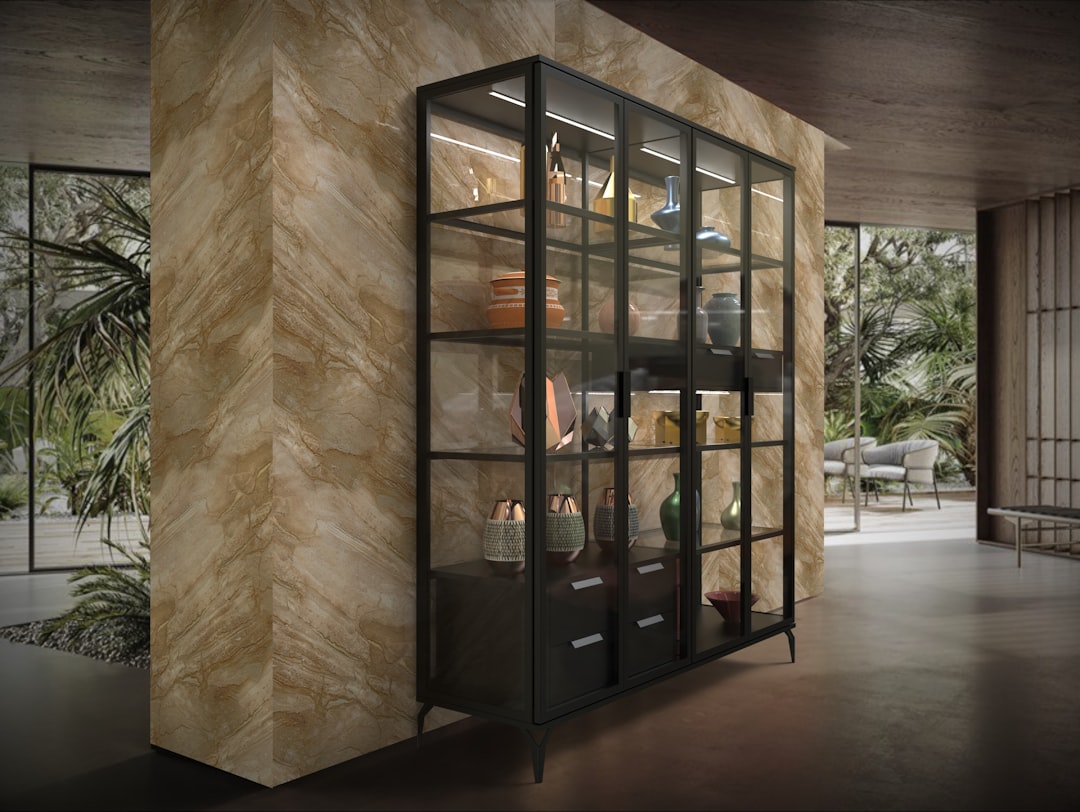
The glass-fronted display cabinet in your Tampines semi-detached sits empty for months — not because you lack heirlooms to display, but because the lighting options overwhelm. Megafurniture’s Joo Seng showroom solves this with pre-wired LED strips installed behind sample cabinets; you’ll see the difference between 2700K warm white (flatters gold-rimmed china) and 4000K neutral (ideal for Baccarat crystal). Their technicians route wires through pre-drilled channels in the cabinet’s rear panel — no more DIY attempts with sticky cable clips that yellow and peel within a year. Older homeowners often regret choosing puck lights for display cabinets — the concentrated beams create glare on glass shelves while leaving the cabinet’s lower third dim. Megafurniture’s Tampines branch demonstrates recessed strip lighting along the cabinet’s inner frame instead; it illuminates the entire height evenly while concealing transformers within the unit’s plinth. They’ll adjust the layout based on your collection — spacing the LEDs closer together for displaying Peranakan porcelain (which needs shadow reduction) versus farther apart for vintage whisky decanters (where subtle backlighting suffices). For landed properties near Bedok or Eunos, consider their anti-humidity wiring kits — essential when placing cabinets near airwells or unairconditioned spaces. The rubber-grommeted cable entries prevent moisture ingress that could short-circuit cheaper lighting systems within months. Test their dimmer switches before committing; some older homeowners find the slide controls easier to operate than touch-sensitive panels.
can mock up your actual cabinet contents if you bring photos — they’ll position dummy vases at varying heights to check for hotspots. Their most requested modification? Adding a separate switch for the cabinet’s interior lights, so you’re not fumbling for the main room switch when guests ask about your grandmother’s jade collection.
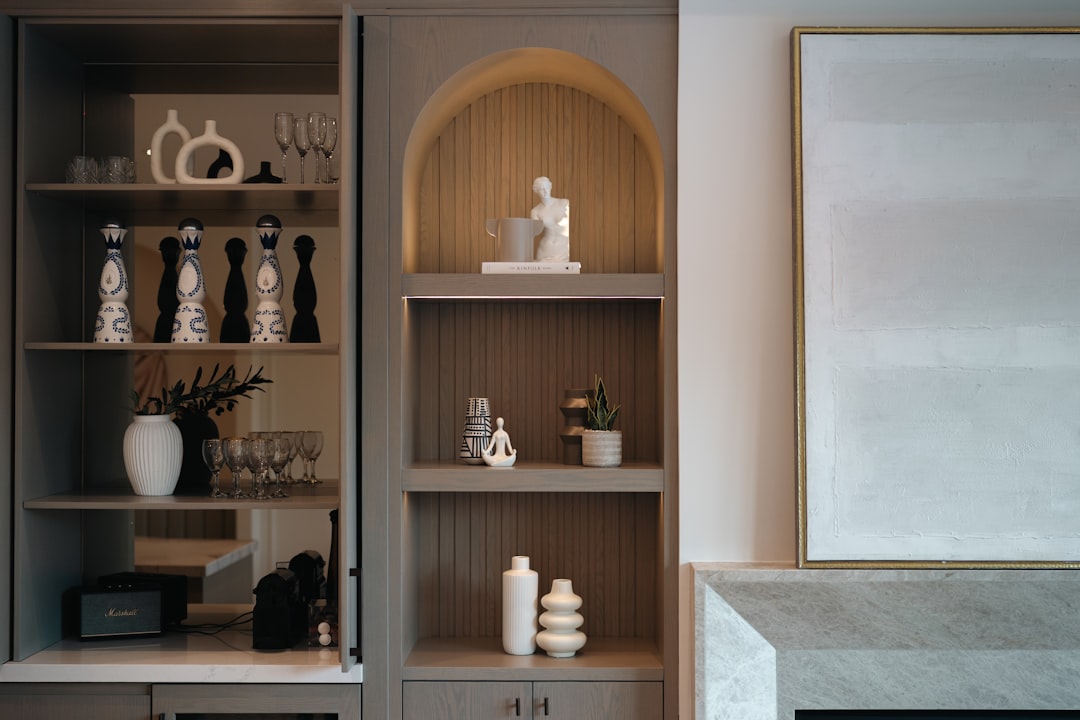
Delivery teams often underestimate the challenge of manoeuvring a 180cm display cabinet up a narrow landed property staircase—especially when tempered glass panels and lighting components add both bulk and fragility. One shattered LED strip during a DIY assembly attempt, and you’re left with exposed wires snaking behind heirloom china. That’s why professional assembly isn’t just convenient; it’s non-negotiable for homes with tight stairwells or uneven flooring common in pre-war shophouse conversions.
Check if the warranty covers lighting elements separately—many policies exclude LED failures after 90 days, despite the cabinet’s five-year structural guarantee. A display unit with concealed wiring requires precise channel routing; sloppy work means visible gaps between panels or flickering lights when doors vibrate shut. Older homeowners upgrading from their 1980s teak curios should note that modern LED drivers often mount inside cabinet crowns—accessible only by dismantling the top panel.
Landscaped bungalows pose another headache: delivery crews may refuse to wheel heavy items across pebble gardens or up spiral staircases without prior notice. Measure not just the display area but the entire transit path, including lift dimensions for condos with basement loading bays. Some installers charge extra for weekend slots or reassembly after painting works—factor that into timelines if renovating a heritage black-and-white’s formal lounge.
The real test comes when positioning lit cabinets near windows. Afternoon sun fades LED brightness unevenly, and humidity warps MDF back panels faster than solid wood. One Tiong Bahru homeowner discovered her backlit glass shelves dimmed within months because the transformer wasn’t rated for Singapore’s wet seasons.
For collections requiring museum-grade lighting, specify warm white (2700K–3000K) LEDs with dimmers—cooler tones turn heirloom porcelain bluish. Integrated lighting systems cost 20–30% more but eliminate tangled power bricks. Just ensure the electrician includes service access behind removable base panels.
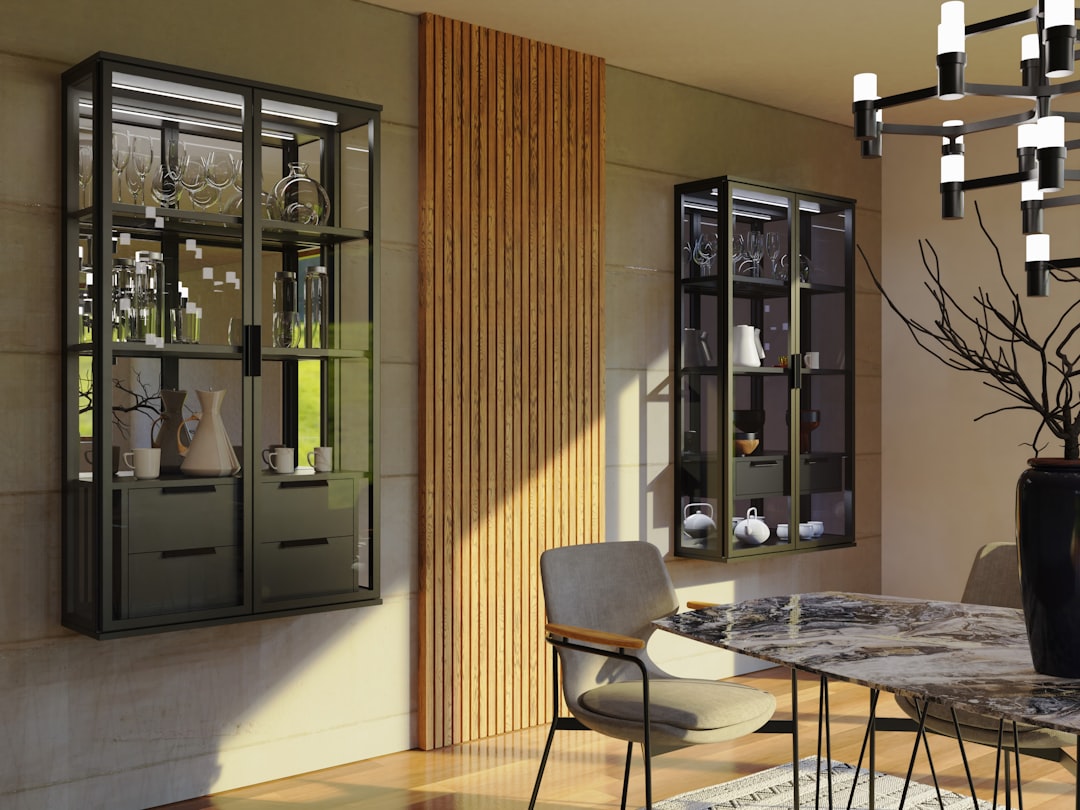
Display cabinet lighting fails in predictable ways—LED strips yellow after two monsoons, puck lights cast shadows on collectibles, and exposed wires ruin the clean lines of teak display units. Humidity-resistant fixtures exist, but most buyers discover too late that "IP65-rated" matters less than proper ventilation behind the cabinet back panel.
Retrofitting older cabinets? Start by measuring the interior height between shelves—standard 40cm spacing won’t fit modern LED profiles. Electricians typically charge $80–$120 to hardwire lighting into existing switches, though battery-operated options work for rental units. Avoid adhesive strips on lacquered surfaces; they’ll peel veneer when removed.
HDB dwellers often ask about concealing wires in concrete walls. It’s rarely worth the hacking—instead, run channels along the skirting or behind removable plywood panels. Landed properties have more flexibility, but even then, surface-mounted trunking looks cleaner than poorly patched plaster.
Glass shelves need diffused lighting from above to prevent glare. For china collections, 3000K warm white LEDs at 600 lumens show off patterns without bleaching colours over time. Crystal demands higher CRI (90+) to sparkle properly—budget $200–$400 for a quality driver and dimmer setup.
Older homeowners tend to underestimate heat buildup in enclosed cabinets. A common fix: drill 5mm ventilation holes near the top rear, disguised by fretwork or fabric backing. That’s cheaper than replacing warped wood shelves every few years.
Before flicking the switch on that new display cabinet lighting, pause. That extra five minutes spent verifying wire lengths against your cabinet’s dimensions could save hours of rework later—especially in older HDB flats where chasing walls for concealed wiring isn’t always an option. Measure twice: from the nearest power source to the cabinet’s intended position, adding 15–20cm slack for adjustments. Most display cabinets sit 150–200cm tall; if yours is floor-to-ceiling, you’ll need longer cables routed through ceiling coving or baseboard channels.
Check switch placements against daily habits. Families with young kids often regret placing controls at adult hip height when tiny fingers inevitably start flicking them. For glass-fronted cabinets housing heirlooms, consider a discreet switch at the back or side—out of sight but accessible when you’re rearranging that Limoges porcelain collection. Compatibility’s another silent saboteur: older Singapore flats still run on 5-amp circuits, while some LED strip lights demand 15-amp stabilisers. An electrician can test this in minutes with a multimeter.
Look for telltale signs of existing wiring strain—flickering bulbs in adjacent rooms when the aircon kicks in, or circuit breakers that trip during thunderstorms. These suggest your display lighting might need its own dedicated spur. And don’t assume all glass shelves are equally conductive for LED strips; tempered glass requires special adhesive clips to avoid micro-fractures over time. That vintage 1980s display unit from your mother’s Ang Mo Kio flat? Its bevelled edges might need custom channel routing.
Finally, do a dry run with painter’s tape. Mark the exact path of wires along skirting boards or behind furniture before committing to permanent fixes. What looks straight on paper often reveals awkward angles when you’re crouched behind the cabinet with a torch. Better to spot that the ideal wire route crosses your antique rosewood side table’s legs now than after everything’s installed.